



Some time ago, as you well know by now, I found Chris Arnade - as Chris Arnade seemingly found the rest of the world. He found it mostly by walking - walking cities - and in that way learned what he’s learned about the world and how it actually works.
How it actually works is awfully different from what popular culture would have you believe, for the very simple reason that most people don’t participate at the built level1. The streets are so different from the screens - but the latter is bleeding in to the former in dangerous ways, like assassinations on college campuses.
Most people wake up, press the snooze button, bid their spouse a good morning, take a shower and do some grooming (hopefully), get the kids ready for the day as best they can, and head off to work in a job where they contribute - in a small way - to the functioning of the whole. This is the reality of most people’s lives, and it’s why economic development is best understood by understanding reality for an average person, in an average place2.
How it actually works for most people is the sum total of an average day and you can discover that by walking around and talking to people. You won’t find it on most social channels - where life is glamorous and includes epic instrumentals, or lots of bickering. You won’t find it at most conferences or networking events where you don’t get further than polite platitudes. You only truly find it by being involved with people who are doing things they repeatedly do because, alas, that is who they are. That is who we are.
To me, the quality of an average day, for the average person, is an excellent indicator of economic development, at it’s most basic level. Is the process of economic development in the context you’re in working or is it not working? Does your city, province, and region provide a fair quality of life for most of it’s citizens, or does it not? Are the basics of people, energy, transportation, and communication networks in place? Above the foundation are there either people or productivity gains that allow a place to thrive - or are folks just getting by, doing the best they can with what they have?
If Larry Smith is right - modern economic development is a process by which people and places work to achieve their full potential, and I can’t think of a better way to get to know a place and it’s people than by walking it.
Please enjoy, and thank you for coming on the walk.
“Since the Bulgarians are seemingly loath to make their own case, I guess I’ll have to…Sofia is perhaps the easiest, least complicated, city to navigate I’ve been in. With its extensive tram network, metro, and buses, all which use a single pay-by-phone-tap, you can get between almost any two points within an hour, and for less than a dollar.” - Chris Arnade
Walking Niagara on the Lake
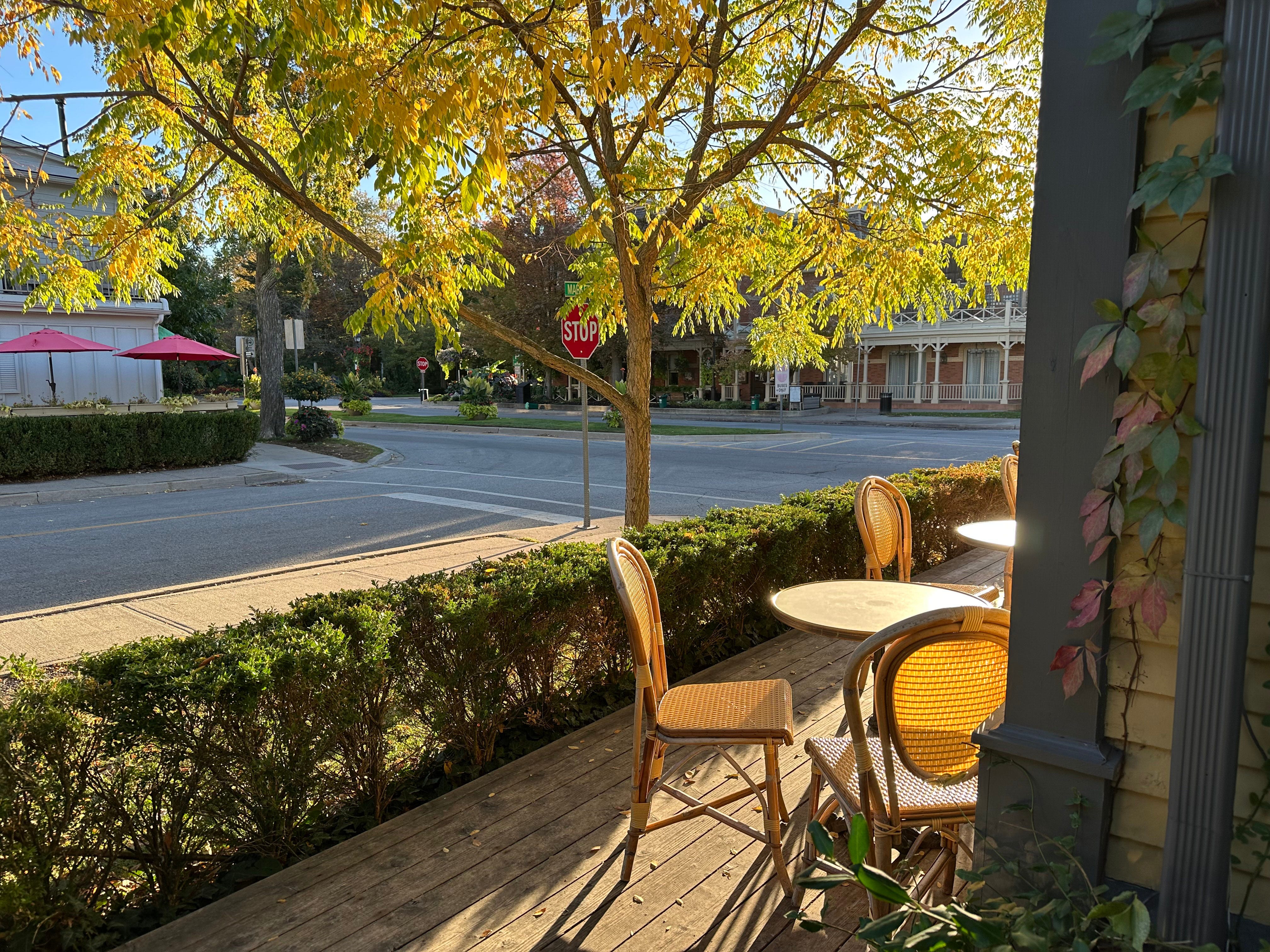
This years EDAC conference - yes I still think they have their place - was held in the lovely hamlet of Niagara on the Lake. Because this was a longer conference, at a rather comfortable, historic hotel, my wife tagged along for a week of bike riding, walking, coffee drinking, wine tasting, and page reading, while I was in the bowels of the Queen’s Landing learning what I could about modern economic development.
As often as I could I joined her in her outdoor pursuits, because as much as we want to believe that we’re learning about economic development by being inside - true economic development can only be observed and felt outside.
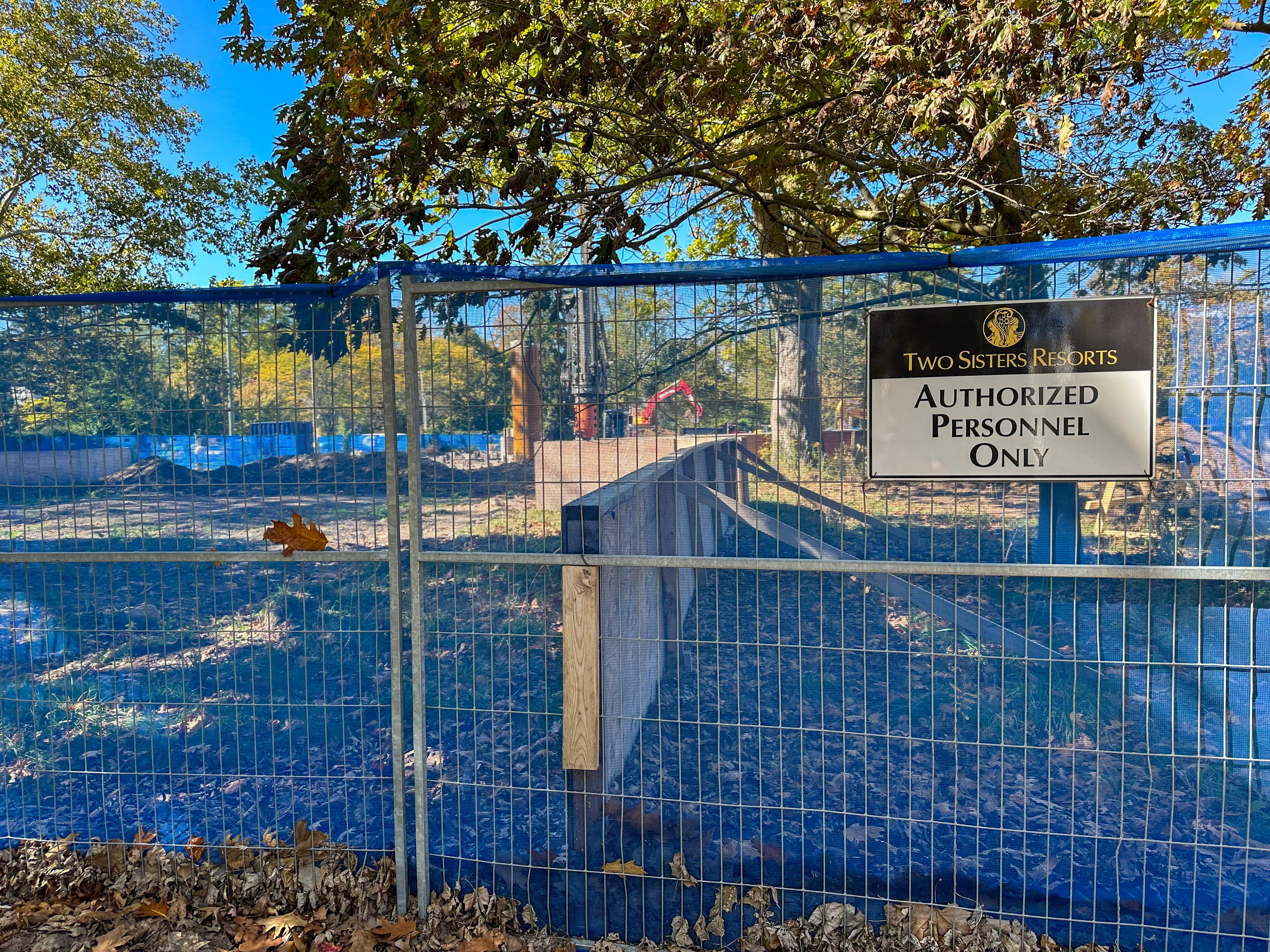
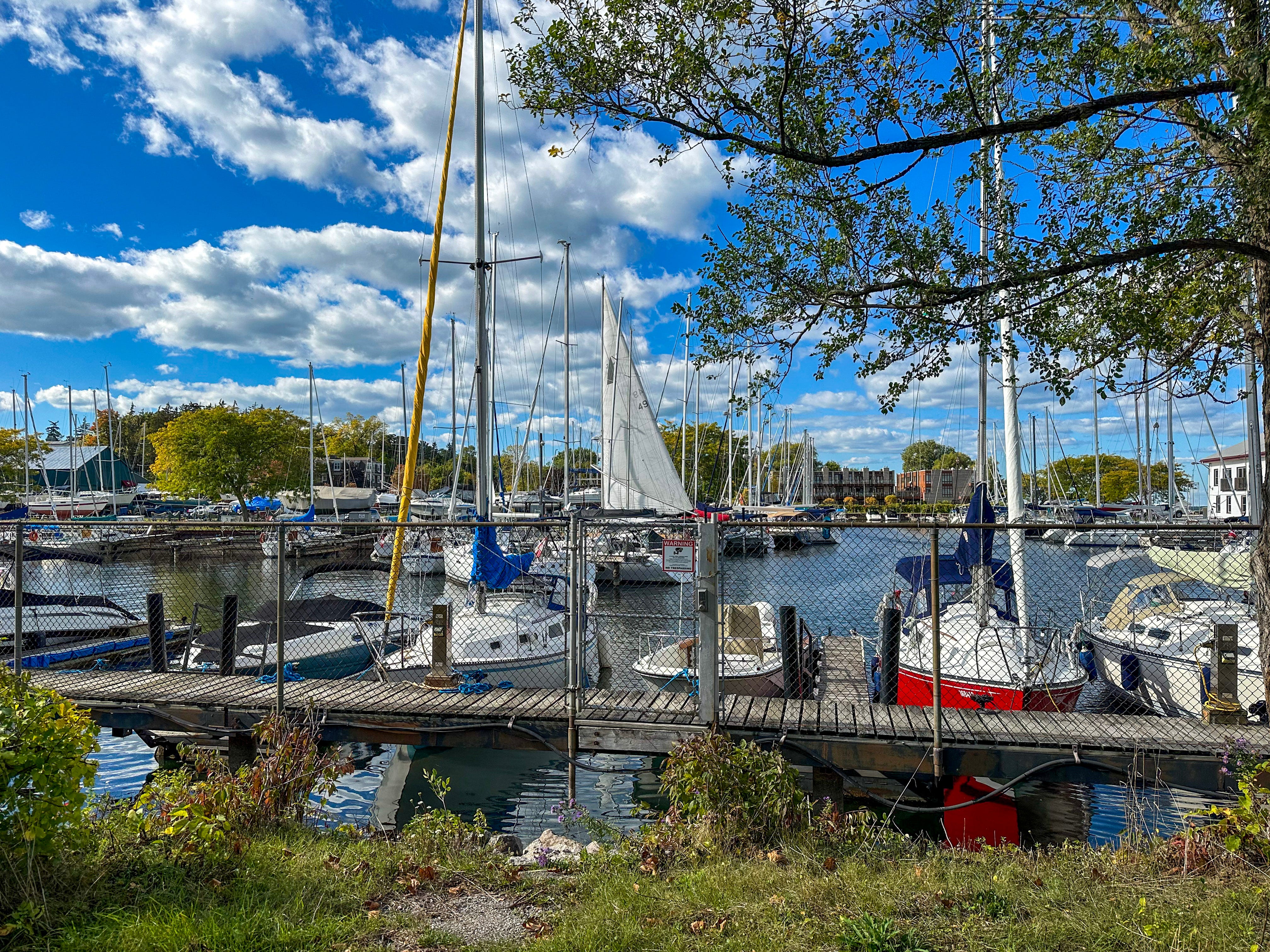
Driving from Pearson International to Niagara on the Lake, there are a few things that are quite clear. Yes, there is mixed income everywhere, but the outer reaches of the GTA seem to be doing quite well. Buildings are being built, there is plenty of agriculture (rows upon row of wine and wild flowers), and tourism is apparent. Also clear when you walk the area is that the amount of drug-addicted folks sleeping rough seems to be near 0. Literally 0. I don’t think I encountered a single suffering, destitute, aggressive person in our time there and I don’t know how to properly explain how different that is from my hometown at the moment.
Things being built is good because we have to be in the business of pairing our population gains with productivity gains. If we don’t do that we get things like housing shortages and long wait times at hospital emergency rooms. The price of everything goes up because the amount of people consuming stuff is far greater than the amount of people making stuff. This seems also true of our dear country at the moment, where regulation and public payrolls are going up-and-to-the-right.

If I was the GTA I think I would actually be worried about this - as David Campbell is.
On one of our walks we passed a beautiful home on a larger plot than most of the neighbours. This was not far from the main intersection of King and Queen St (original) but was far from what I would call lavish or grand. We played the fun game of - guess how much this costs - because property is still affordable where I come from relative to Ontario or British Colombia. The house was listed for triple what I had guessed. 3x! An adorable $2.9M dollars. Eggheads will say it’s simple supply and demand and explain it away but my intuition is we’ve entered monetary fairytale where numbers are meaningless and that’s worrisome, don’t you think?
Agriculture is one of my favourite things and I think we need 100x more people working in the food production business if we are to save ourselves from our current health predicament. As one regenerative farmer explained to me in my region, it’s almost impossible to do if you don’t already own the land outright, because land is so expensive, input costs like fertilizer and butchering are so high, and the average consumer just isn’t willing to pay that much more when they could go to Costco instead3.
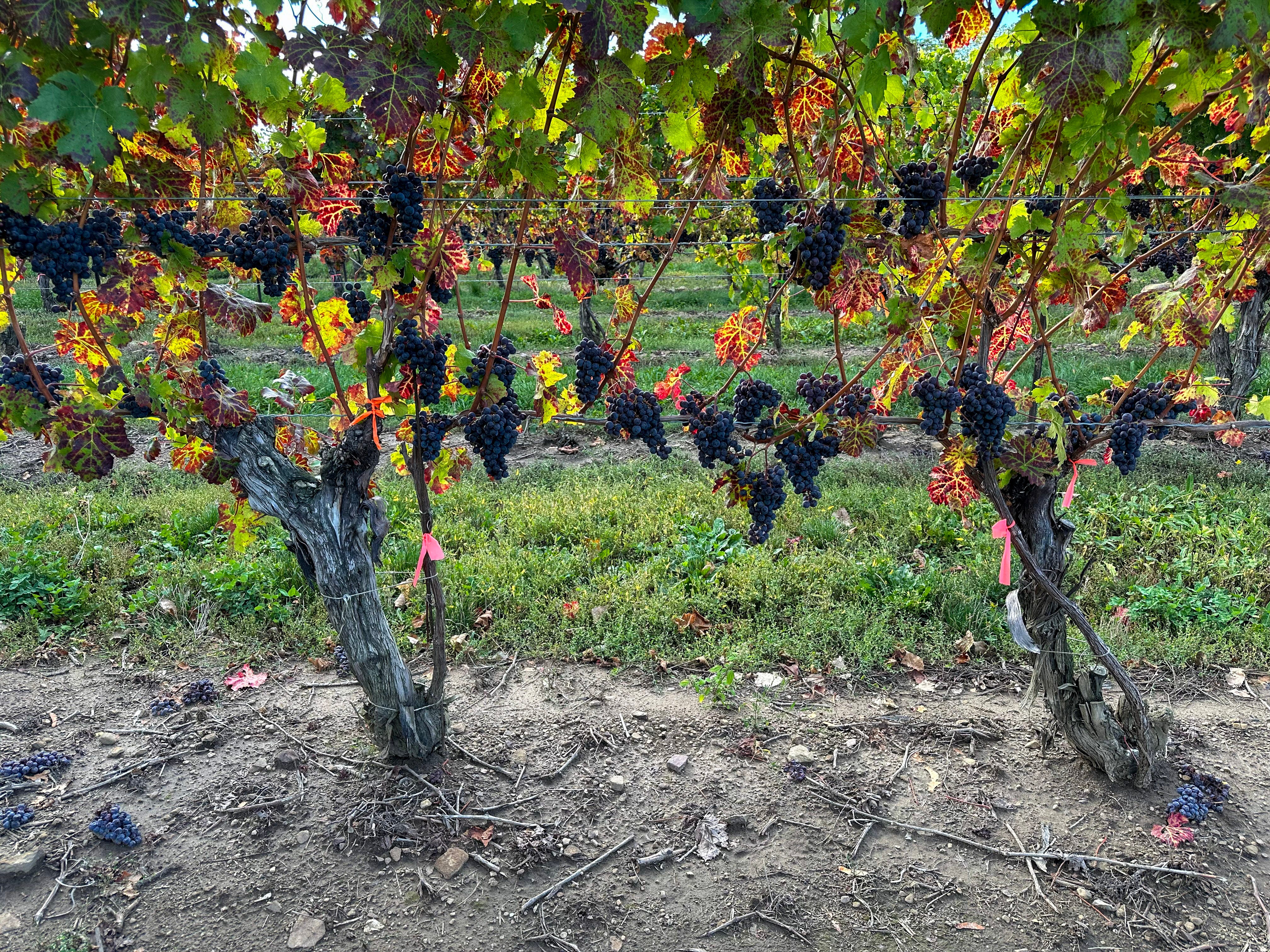
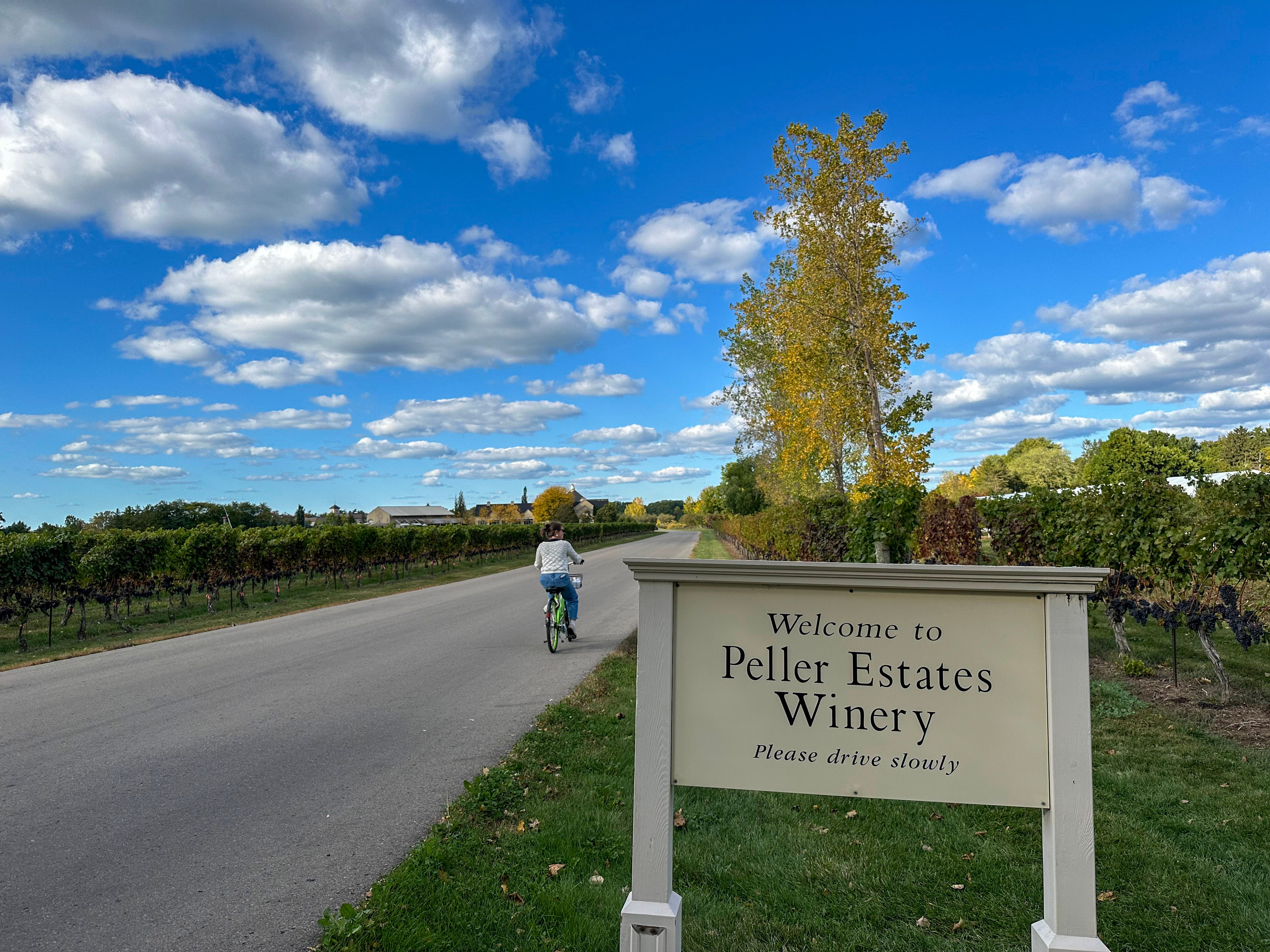
Niagara on the Lake seems to have a thriving wine industry that doubles as a tourism pull. We rode to Peller Estates like a couple of cuties and tasted a small selection of their traditional wines (excellent) and their novel ice wines (really excellent) - the grapes of which are harvested in the dead of night in January and produces a product that is so sweet it tastes like brandy, and so expensive it smells like gold.
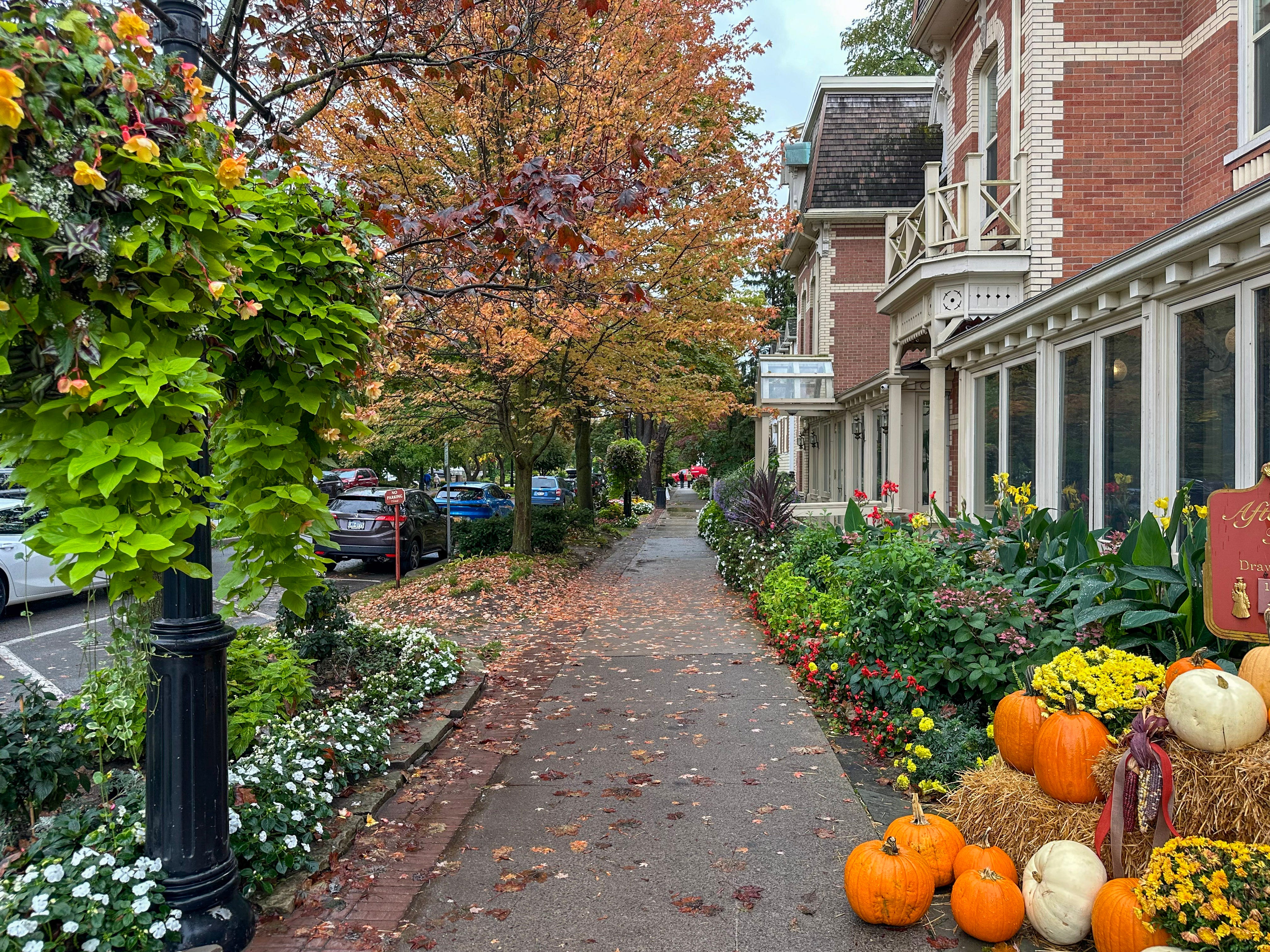
In the context of economic development I’m more frequently tempted than I’d like to admit to eliminate all tourist towns from my list of actually interesting places. To the dismay of my tourism and place-making friends, it’s because I think tourism is generally overrated. I understand it’s important to some places, and it’s simply a reality of our flattened world that buses upon buses of Asian tourists disembarking to try the hot apple cider and take selfies with the pumpkins is where we are and I suppose that’s fine.
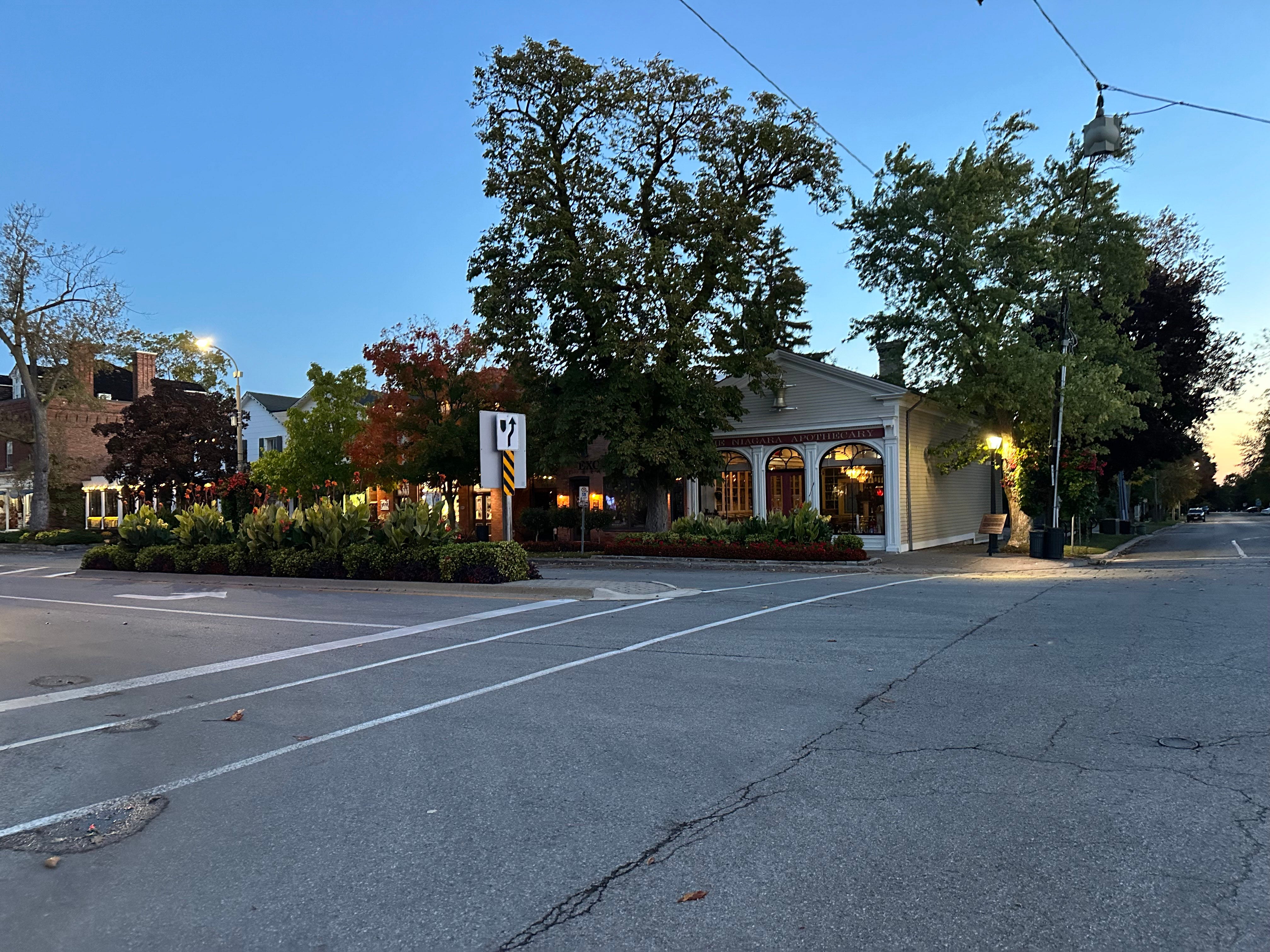
Although we can’t risk getting trapped there, Niagra on the Lake certainly hasn’t lost it’s sense of history, and it reminds you of it’s military significance often. It seems to care that you know that - and remember that - and I suppose that’s what you would do if you were the scene of important national events in the past. My fear, as you know, with tourist towns is that they tend to get stuck there and that stunts their ability to look forward. Instead of having downtowns and industries that work for most, average people you have prime real-estate on the corner block become a historic apothecary that is…only open on the weekends. I would much prefer we find a way to remember our history - and celebrate it - amongst a working town. We can learn this lesson from places like the great and powerful Instanbul - a place I was much to young to appreciate, seeing it by foot and via the surreal Bosphorus as an 18 year old.
As I write more and more on this very thing, I can’t help but feel like the idea is so simple and yet supremely underrated. That a place actually has to work for it to be functional for most people. I am borderline obsessed with the show Clarkson’s Farm because, beyond it being hilarious, it is the perfect example of a People & Place show.
In Clarkson’s battle with the Oxfordshire Town Council, he says something that even he didn’t realize is exactly correct. The council was arguing that his 1,000 acre farm in the Cotswolds is a gimmick because he personally no longer needs an income. To which he replied - yes - but the farm needs an income. The farm has to be a working place, with working people. I may be an independently wealthy TV personality - but British farmers are not, and British farms are not. This is exactly correct - and it seems like Niagara on the Lake has struck a fair balance.
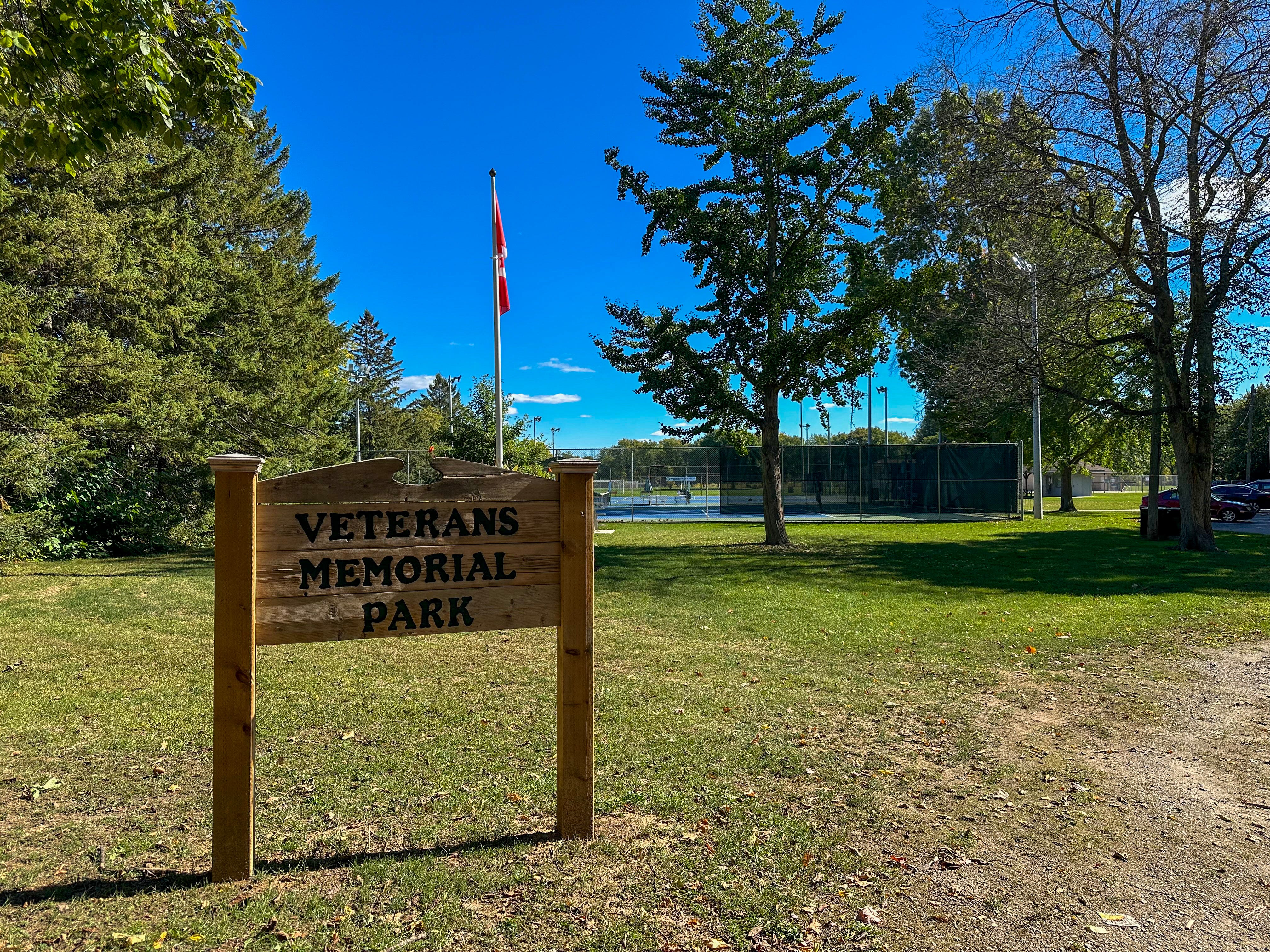
Another of my favourite things to mentally log when seeing a place - and something that is again completely underrated - is the measure of how easy it is for people to get around a place. If we eliminate the 2 car owning suburbanite, and focus more on feet, bikes, buses, trains, and light-rail or town-cars, Niagara on the Lake does seem like a wonderfully easy place to get around if you are able to move yourself. Not nearly as much so as urban centres, like Toronto, but pedestrian only paths that are well maintained criss cross the town, and there seem to be plenty of parks and green space on the perimeter of town.
There is also a British sense (unsurprising) of the High-Street kind of development, where folks live somewhere around the Queen and King Street intersection, and those two streets are essentially where all of the shops, restaurants, and cafes are. I like that style of development in most cases, and it’s nice for the Niagarans that nothing is too far from that intersection, but it doesn’t necessarily have the same sense of productivity as mixed-use zoning like the Japanese have been fond of.
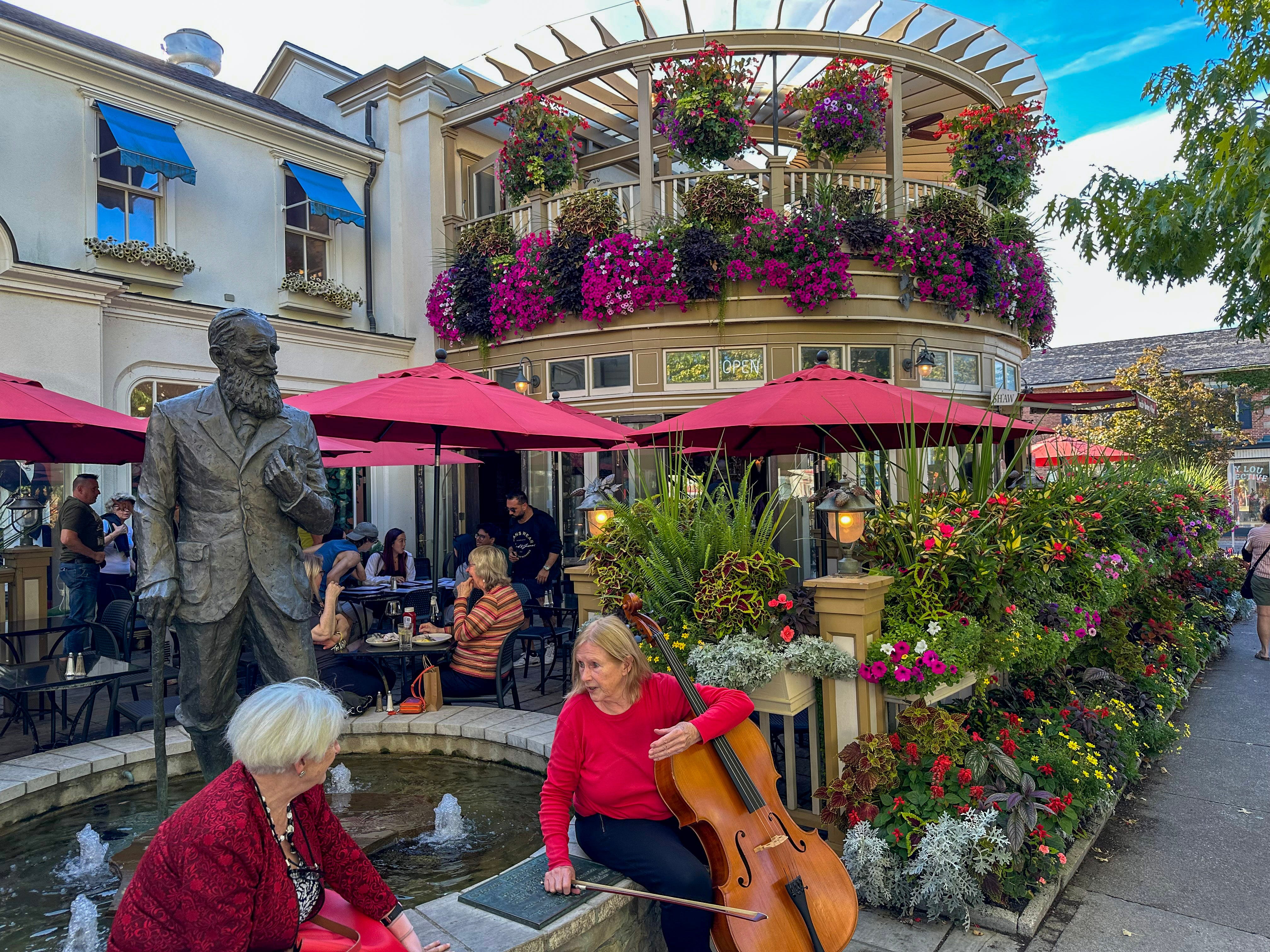
Walking Toronto
After four lovely nights tucked into the bossom of Queen’s Landing, we made our way to Toronto for the weekend to celebrate our 5th wedding anniversary. I’ll spend less time on Toronto itself because we all know the Toronto deal, and while it is actually an excellent walking town for it’s size, I fear my Toronto haunts are fairly basic and not exciting. In fact, I’m almost certain of it, so I’ll highlight a short list of my favourites.
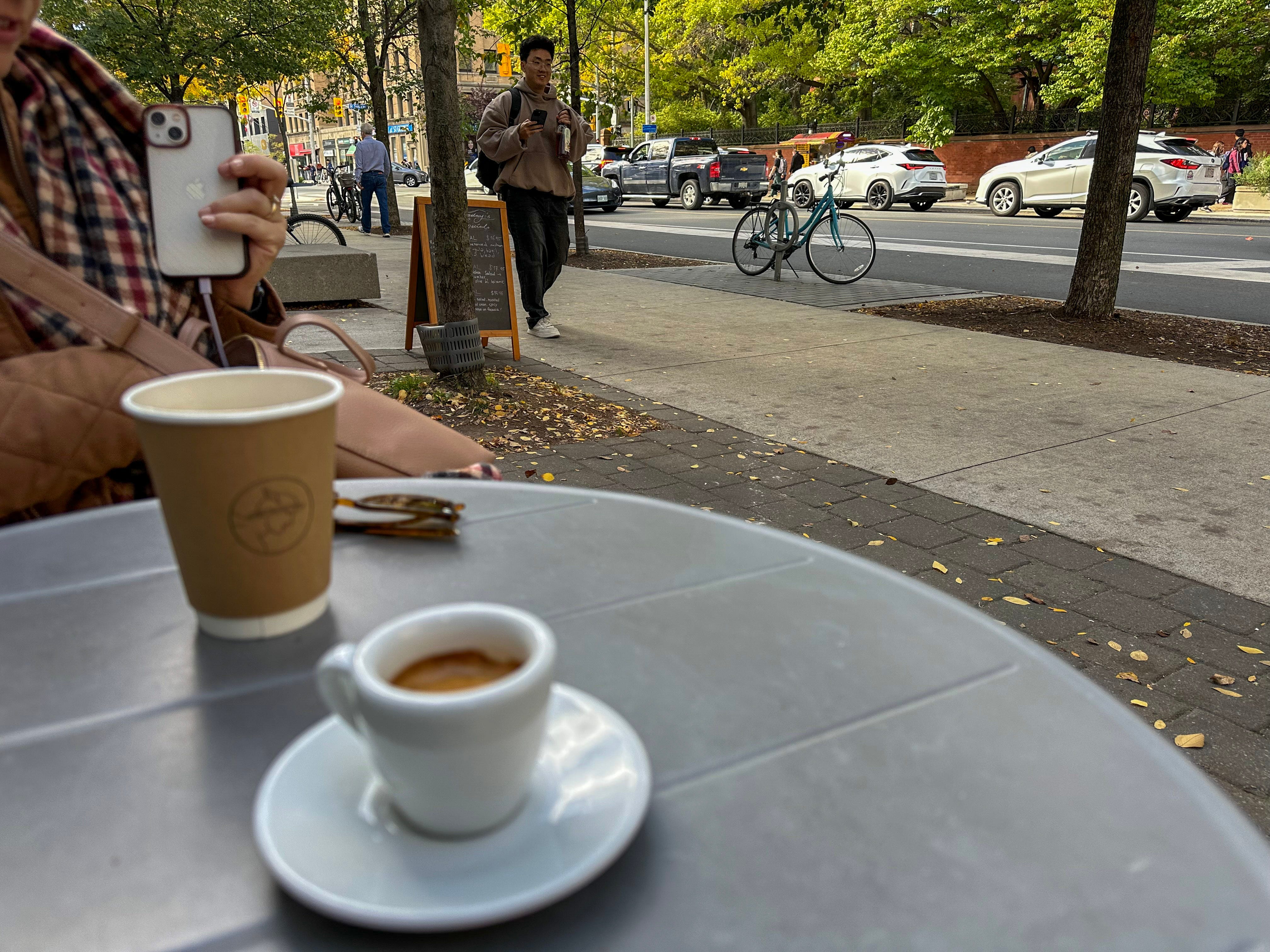
Our first day was spent with the express goal of walking - lymph flowing, blood pumping, brain thinking - essentially directly North-South. The destination, beyond the joys of walking through what is a lovely (yet slightly pompous) University setting, was my favourite fall patio for espresso - that of Espresso Bar Mercurio - which has maintained a sense of being very Italian (including the standing bar for those used to that sort of thing). It was a lovely time to sit out and enjoy the cool October air, making the obvious and at-this-point-irrelevant observation that Toronto is an extremely diverse place and appears to be very young by Canadian standards.
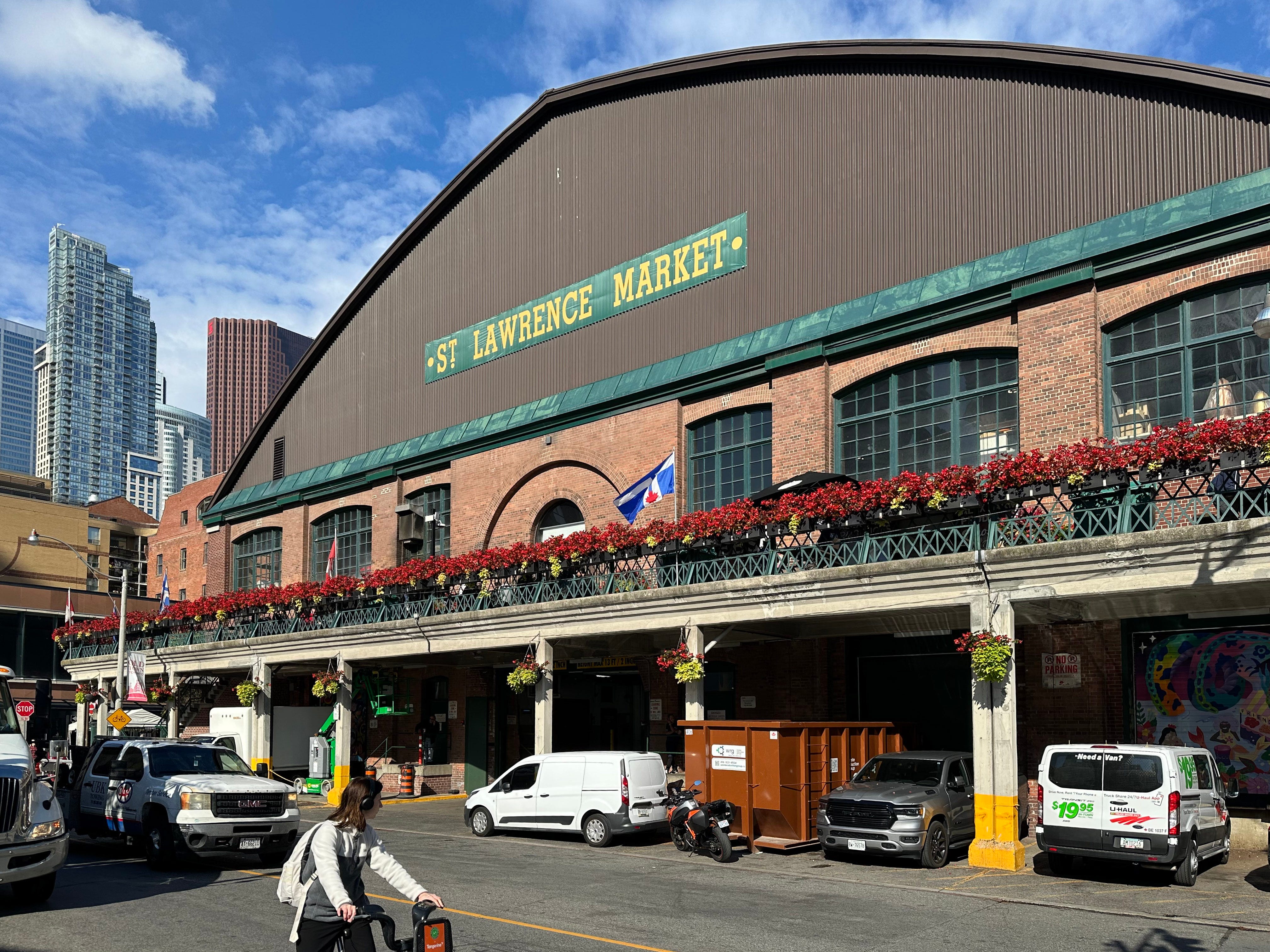
Saturday morning found us early and East-bound - the St. Lawrence Market - for fresh produce and the chance to engage with local vendors. There is nothing I like more than this - regardless of where I am - solely because (again) these are working places and working places are the most interesting and accurate way to really get to know a place. This wasn’t manufactured and manicured for cruise ship passengers or bus tourists - it’s local people selling things that local people need and there are just as many breakfast meetups as there are grocery shoppers. Real things that happen on actual Saturday mornings in the city.
Continuing East, through Old Toronto, is charming and appealing because it’s the middle-class family area of the city, before reaching the Distillery District that becomes more touristy. It’s not to say that there aren’t lovely shops and restaurants in that area - because there are - like Madrina - our favourite Spanish tapas restaurant in the city. But it’s less charming simply because it isn’t the young and old simply existing - which I find I enjoy the most.
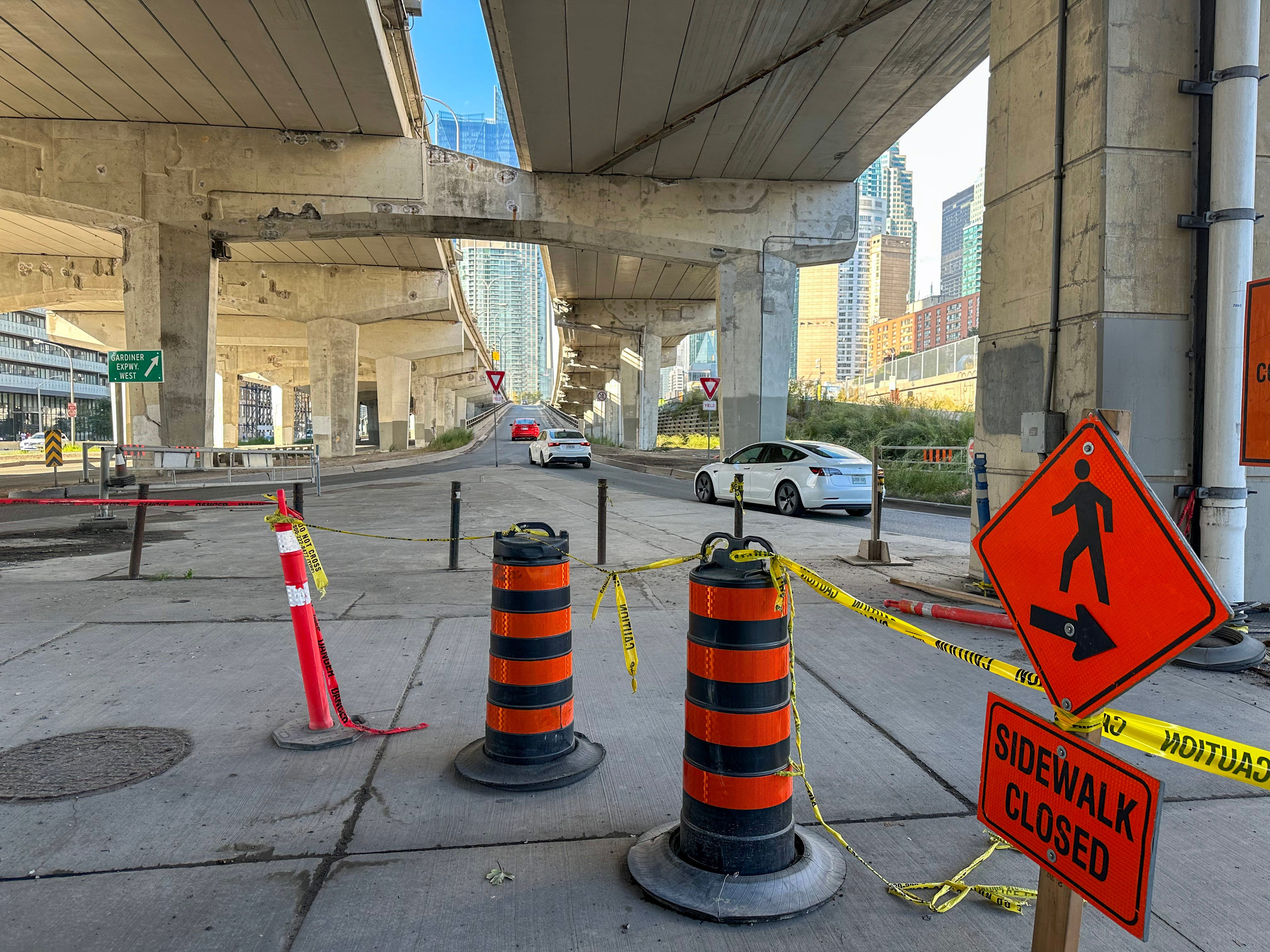
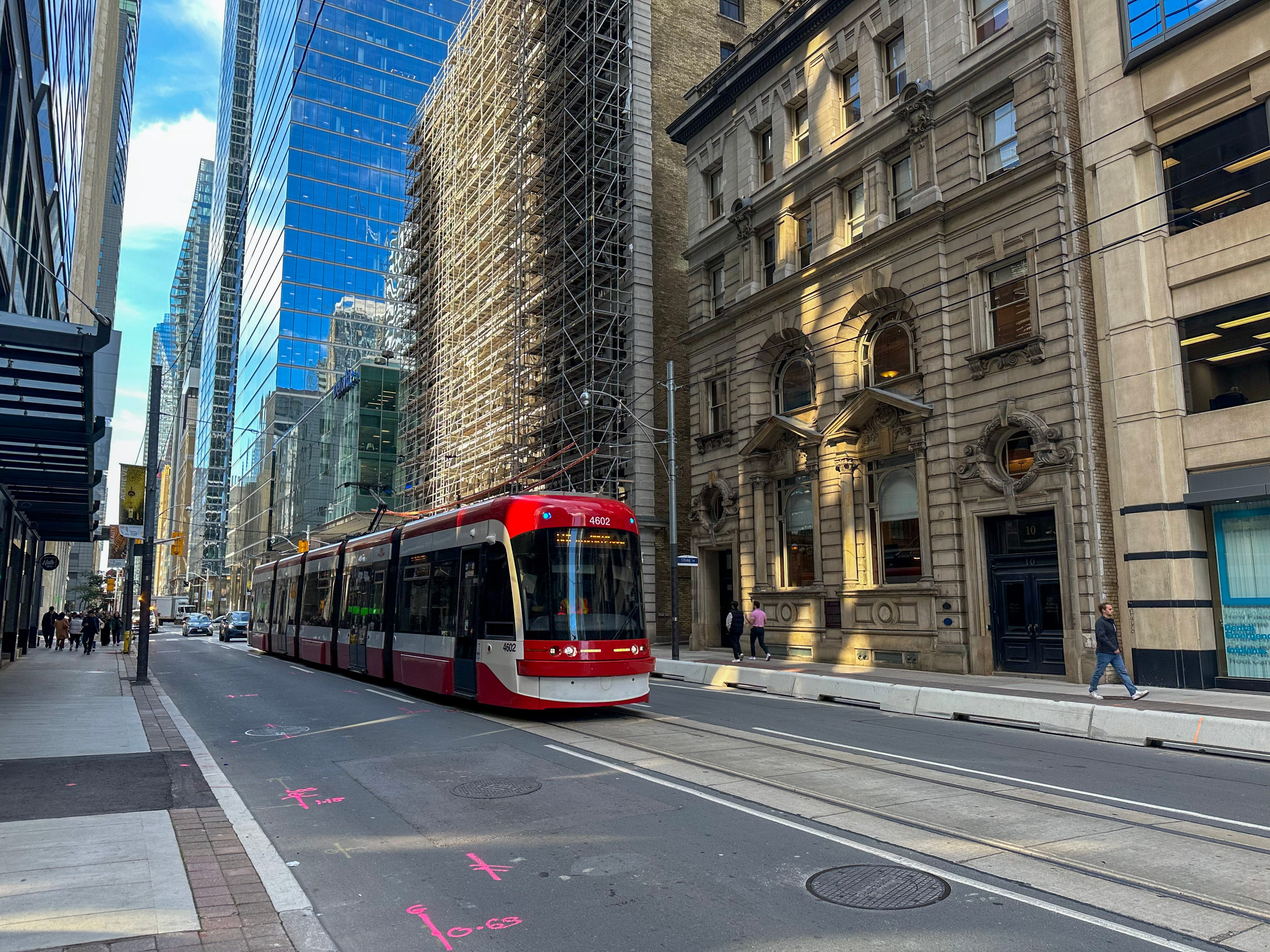
As a red-blooded transportation guy I couldn’t help but notice how heading East and West is much more pleasant than North-South in Toronto, if you can’t move yourself on foot. In the latter category, hopping on the subway or walking via Yonge and Dundas is a city thing that works for city people, but East-West travel in Toronto is on pedestrian footpaths, intermittent and small, functional parks, bike lanes that are off-street, and light-rail that works very well indeed.
Heading West on one of these exquisite creations can (and should) lead to late afternoon affogato at Mizzica - a very popular place that has yet to become a caricature of itself4. When Italians are skipping the line, entering in through the exit, to order espresso shots that they simply knock back and ‘grazi mille!’ and then leave means you should absolutely be in that place.
For much needed walking calories - what has to be one of the best pork belly bao I’ve ever had - I opt for Mean Bao in the bowels of Union Station. I rarely miss Mean Bao for a cheap snack as I’m walking when in Toronto and I’ve never been disappointed.
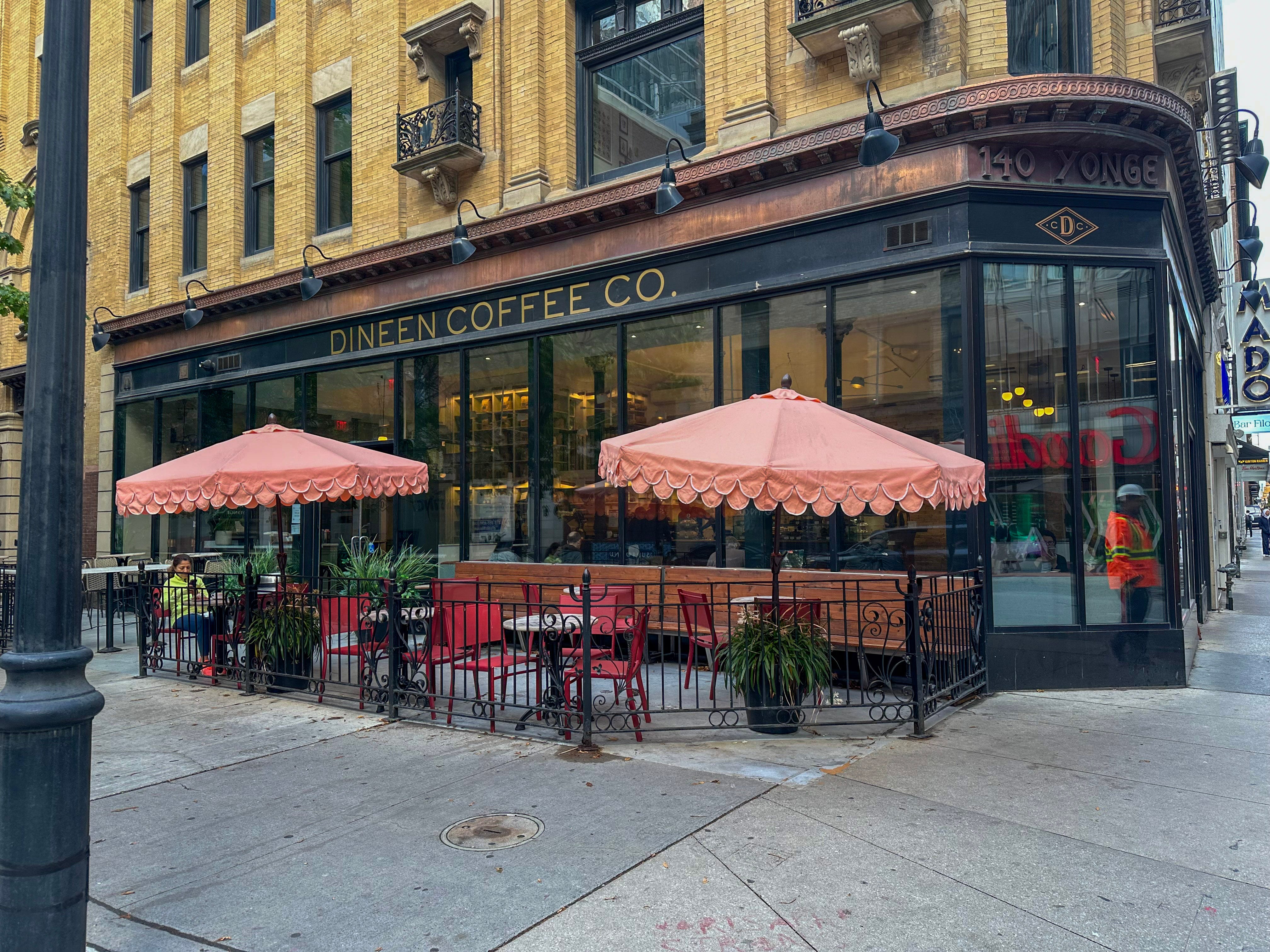
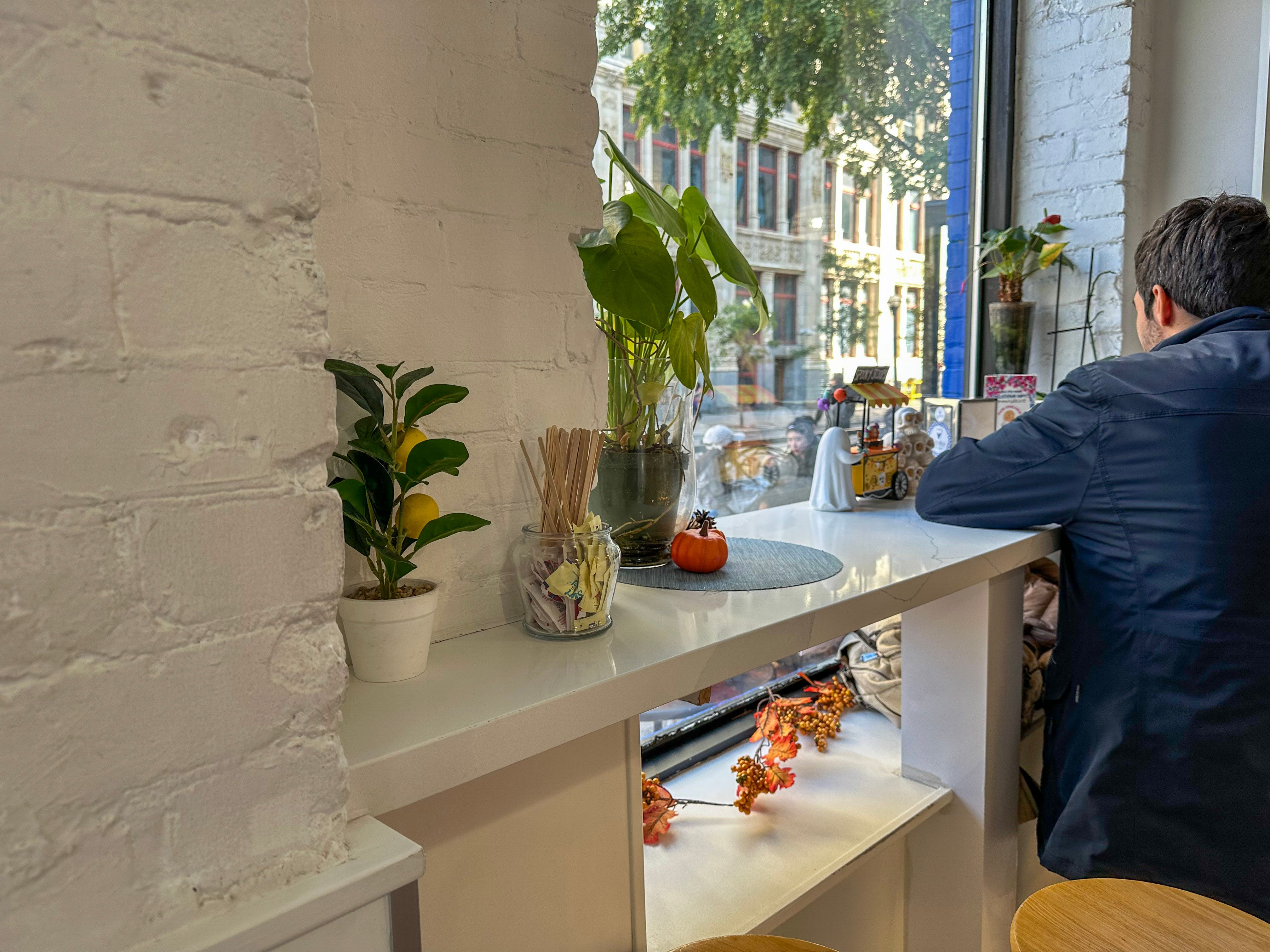
Before leaving for home - what is without question basic, but is something I can’t help but love - Dineen Coffee. You could easily make the argument that Sud Forno, right across the street, is a better situation for all involved, and that Dineen is some kind of forced nostalgia that happens to be a really good photo op - but I can’t help but love it anyway because I’m a hopeless romantic that just can’t quit a coffee shop with dark leather, brass, and a now irrelevant bank vault. Dineen is the kind of place where you can imagine (and shamefully long for) a time when locals, and locals only, came to sit, read the paper, and gab about the news of the day before walking to work or church.
This kind of nostalgia is seen as some kind of evil in our time - it must have been a time where things were really quite good for you (and other men) and that’s why you long for it! - but I don’t think this is what’s happening at all. I believe nostalgia can be used to hijack our need for certainty (‘the past was better and I’m the only one who can take you there again’) but I believe it mostly reveals itself when there is some sort of unease or feeling of inability in a world that is changing faster and faster. A time when it is the few who truly understand who they are and what their role is in the scheme of things. This seems to be deeply unsettling to humans.
That anxiety is now paired with a now-ubiquitous- sense of needing to slow down, to reconnect with our fellow humans instead of our screens, and to find a sense of awareness and understanding of what our role in all of this is. It’s obvious to me that there was a time when this was easier and that is what we’re longing for, we just don’t know how to express it. Dineen has that sense of nostalgia oozing from it’s pores and I can’t help but love a place like that.
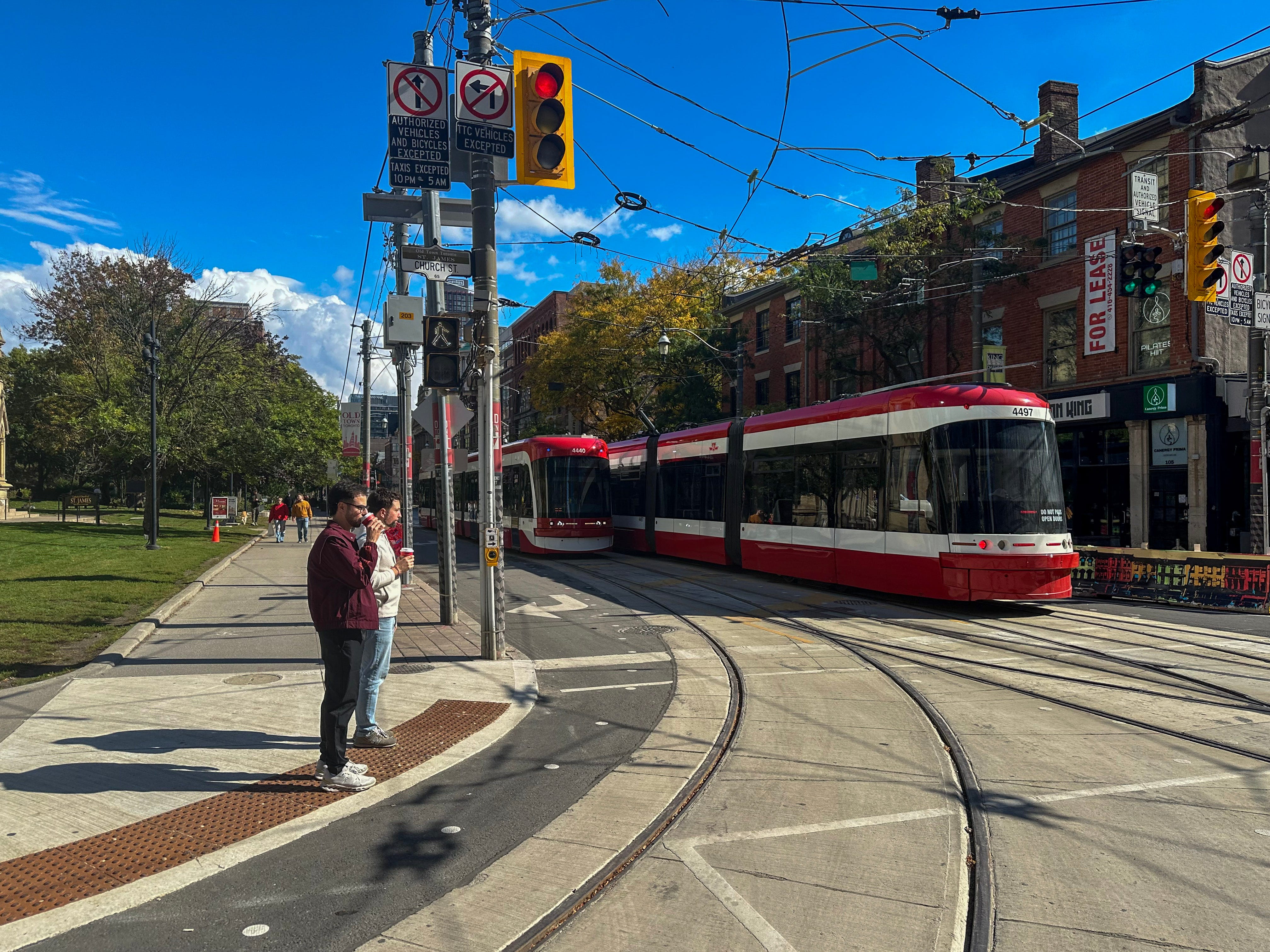
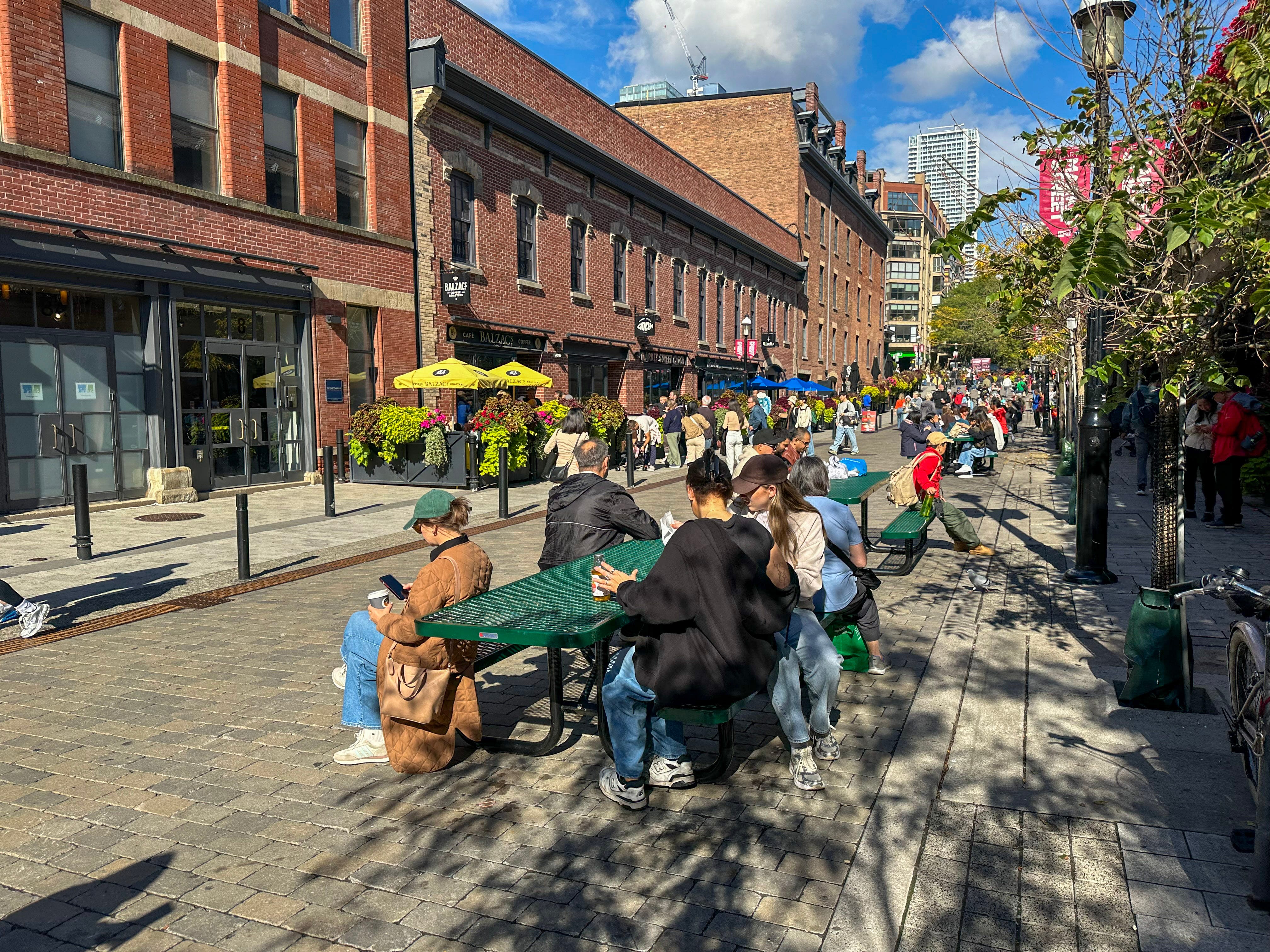
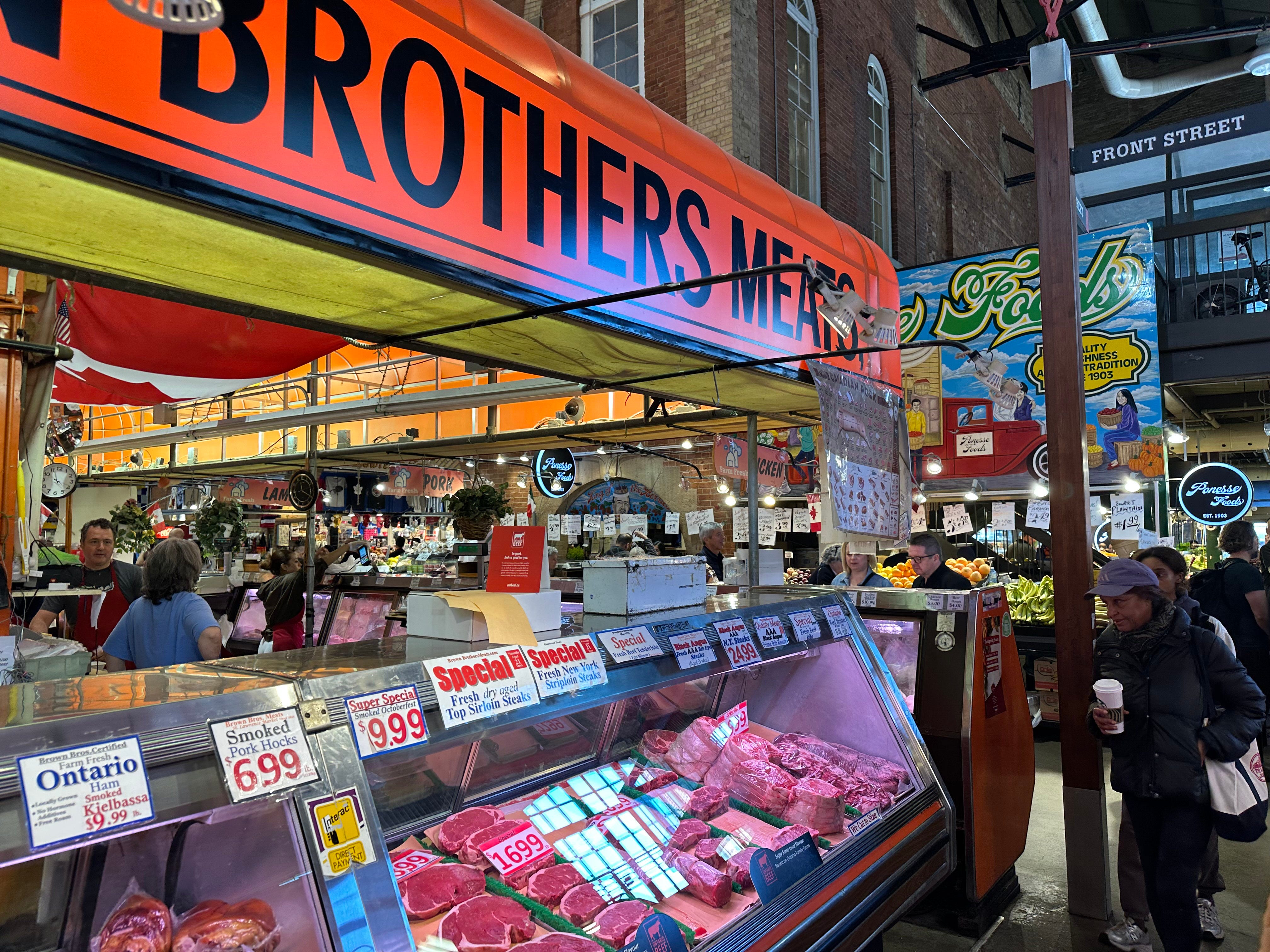
See you in the park, on the bike lanes, in the market, and on the light rail!
The best way to get to know a place is to see it on foot - I hope you do so.
—
All we need is a point of view, a set of tools, and a lot of time.
See you on the road.
“At its core, the city building movement must be about creating the environment that allows us to most deeply recover our humanity…It has to be about creating places that allow us to be in organic contact with other people on a daily basis; to interact with people who are different from us, who look different than us, pray (or don’t) differently than us, think differently than us, have more or less money than us, are married or single, young or old, have kids or.” - The Urbaneer

Things like politics and planning.
The ‘Blue Zones’ philosophy simply makes no sense in this context. It might not even make sense in it’s context, but that’s for another time.
Next time you’re in the Big Magical Warehouse, take a look around. Ask yourself how people look, and ask yourself how much money is going through those tills by the hour. Ask yourself if you should have bought as much Costco stock as you could get your hands on, and if you should start doing that right now.
I’ll never forget going to Katz on the lower-East side, waiting 45 minutes in line, and watching locals looking at us with disdain as they passed, and watching the hispanic sandwich makers play up the New York deli thing with some sense of despair.